
From Security to Systems Thinking: Stephen Russo on R&D, Ethics, and Innovation at Scale
What does it take to lead R&D innovation inside global corporations for over three decades?
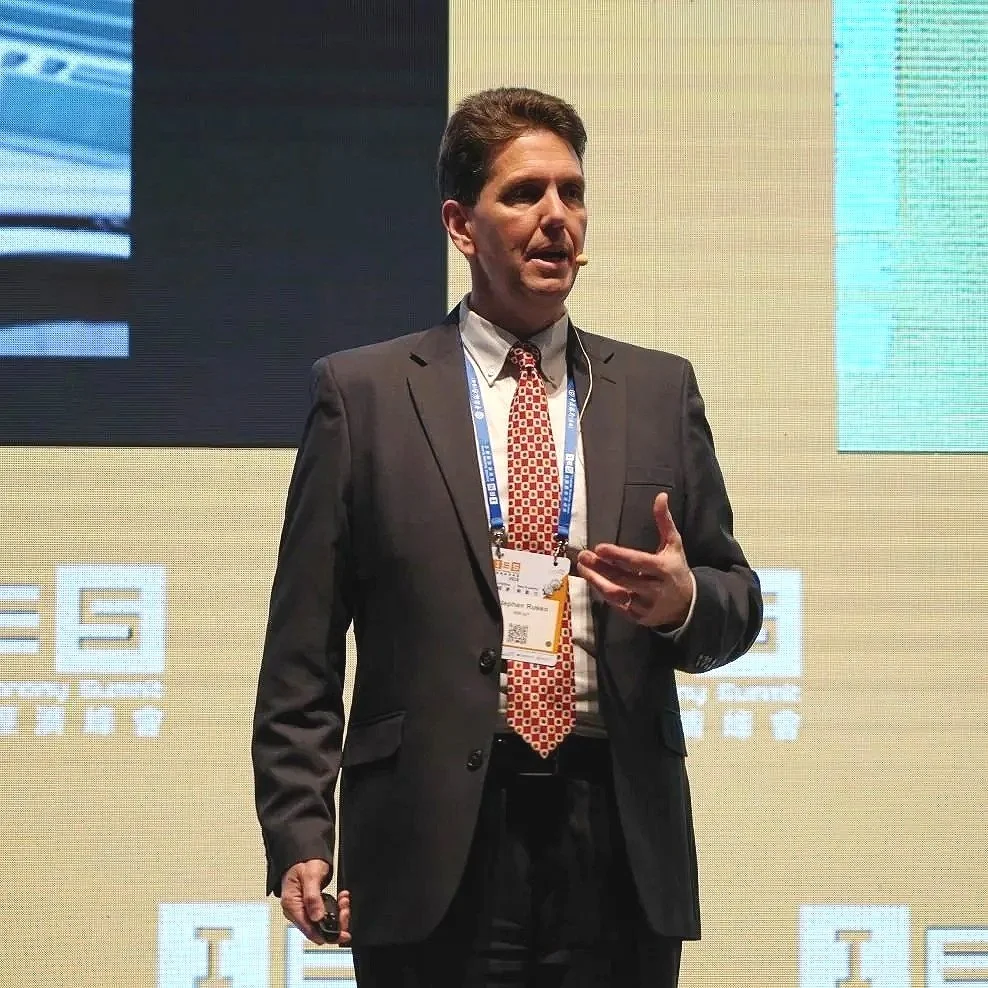
Stephen Russo is a seasoned executive, inventor, and co-author of R&D Management and Technology Commercialization. From shaping IBM’s Smart Cities initiative to leading product strategy at Carrier and Honeywell, Stephen’s journey reflects both the technical complexity and human responsibility that come with managing R&D at scale.
In this conversation with Andros Zacharia, he shares reflections from his own career in innovation — and lessons that hold value for any R&D leader balancing technology, trust, and transformation.
Here are some of the key lessons shared
1. Align R&D with Strategic Purpose
Stephen’s earliest insight came from watching too many R&D projects drift without clear alignment. Technical teams often chase novelty — but without a firm link to business or societal needs, the most brilliant projects go nowhere.
“If you can’t explain how it fits into the business model or customer value, it’s not innovation — it’s just exploration.”
Lesson: Tie every R&D investment to a bigger strategic outcome. Whether it’s cost savings, market entry, or customer experience — innovation needs an objective.
2. A winding trajectory
In Stephen’s experience, R&D professionals — especially those coming from academia — can sometimes hold on to the wrong success metrics.
Publishing is not enough. Building elegant prototypes is not enough. Commercializing solutions, scaling impact, and delivering value — that’s the goal.
“We had to help engineers switch hats. You’re not a scientist now — you’re a product leader.”
Lesson: Foster a results-oriented culture. Celebrate insights, but reward impact.
3. Treat Ethics as a Design Constraint
Working in Smart City infrastructure and surveillance systems, Stephen faced questions about safety, privacy, and power. He learned that ethics isn’t something you add at the end — it must be built into the architecture of the solution.
“You’re not just building a product. You’re shaping the behavior of entire communities.”
Lesson: Treat ethics, regulation, and social trust as part of the design brief — not external constraints.
4. Build Cross-Functional Bridges Early
Stephen credits much of his success to one thing: working across silos. Whether partnering with city governments, data scientists, or field service technicians, he prioritized empathy and communication over control.
“It’s easy to be the smartest person in the room. It’s harder to be the most useful.”
Lesson: Don’t wait until product launch to engage stakeholders. Bring them in early, and often.
5. Make Innovation Human
Beyond the patents and product launches, what Stephen remembers most are the people. He speaks openly about the emotional dimensions of leadership — the mentorship, the failures, the trust that compounds over decades.
“Technology changes. People don’t. And that’s where leadership really lives.”
Lesson: R&D is a people business. Lead with humility, clarity, and care.

Final Thought
Stephen’s story reminds us that innovation isn’t just about invention. It’s about responsibility — to your team, your customer, and society at large.
In a world obsessed with speed and disruption, his experience offers a grounded perspective:
Start with purpose
Design for systems, not silos
Lead with both head and heart
Whether you’re building the next sensor platform or managing a distributed R&D team, ask yourself:
Are we scaling what matters?
Are we leading what lasts?
Want to go deeper?
Explore the full frameworks, case studies, and lessons in:
R&D Management and Technology Commercialization
Or get in touch to collaborate, invite us to speak, or join one of our upcoming workshops.